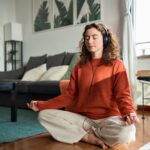
Wellbeing is often shaped less by dramatic changes and more by the small, healthy habits we build into everyday life: the practical choices we make around food, movement, rest, hydration and how we structure our time.
There’s no single routine that works for everyone. Work schedules, family responsibilities, culture, age, personal preferences and health circumstances all shape what feels realistic day to day. A balanced lifestyle isn’t about following a perfect formula, it’s about creating routines that genuinely fit your circumstances.
Australian health guidance commonly points to nutrition, movement and sleep as key pillars of a healthy lifestyle. Alongside these, it’s worth considering other elements of a wellbeing routine, such as staying hydrated, making time to rest and maintaining social connection.
Start With Healthy Eating Habits
Healthy eating habits do not need to involve complicated meal plans or rigid rules. For many people, a practical starting point is simply paying attention to variety, regular meals and fresh foods that are suitable for their needs.
Healthdirect describes healthy eating as including a variety of foods and a balanced approach to nutrition. Rather than thinking about food in terms of perfection, you can consider how healthy eating habits fit into your workday, household routine and personal preferences.
Simple planning may include keeping fresh fruit and vegetables available, having familiar meal ingredients on hand, preparing food ahead when convenient or making time to eat without rushing. These small choices can make healthy eating habits easier to include as part of your broader routine.
The aim is not to follow a particular eating program or achieve a specific result. Food preferences, cultural considerations, schedules and individual healthcare needs can all influence what is appropriate from one person to another.
Physical Activity Should be Part of Your Routine
Movement can take many forms, and it does not always need to happen in a gym. Walking, cycling, gardening, recreational activities and structured exercise can all form part of regular physical activity.
The Australian Government’s 24-hour movement guidelines recommend that adults should be active on most days, preferably every day, while incorporating a variety of activities. The amount and type of regular physical activity that is appropriate will vary according to factors such as age, ability and individual circumstances.
For some people, movement may mean taking a walk during a lunch break. For others, it may involve stretching between tasks, using stairs or planning active time with family.
If you spend long periods sitting, you might consider where short periods of daily movement could naturally fit. This could be between meetings, while completing errands or during a break from a screen.
Looking at regular physical activity as part of everyday life can provide a more flexible way to think about movement rather than treating it as something that must always follow a strict exercise schedule.
Build a Consistent Sleep Routine
Sleep is another part of everyday health that can be influenced by routine. Healthdirect notes that sleep is important for physical and emotional health and wellbeing and provides guidance on healthy sleep habits.
A sleep routine may include keeping relatively consistent bed and wake times, creating a quieter period before bed or setting up a bedroom environment that feels comfortable. What works will differ between individuals, particularly for people with changing work or family schedules.
You can also think about your sleep routine as one part of a wider wellbeing routine rather than an isolated task. A consistent evening pattern can provide structure to the end of the day without placing pressure on yourself to follow a perfect schedule.
As circumstances change, your sleep routine may also need to change. Flexibility can be useful when balancing work, family commitments, travel or other responsibilities.
Hydration is Important
Water plays a role in many normal body processes, and how much fluid each person needs can vary. Because of this, hydration habits work best when they fit naturally into your usual routine, rather than following a strict target.
Simple habits can make this easier: keeping a glass of water or water bottle nearby while working, having water before a meal or carrying a reusable bottle when you’re out and about.
For everyday wellbeing, staying hydrated can simply sit alongside food, movement and rest as part of a balanced routine.
Create a Wellbeing Routine You Can Actually Maintain
A wellbeing routine does not need to include a long list of activities. It can be a simple framework for organising the things that matter to you, from meals and movement to downtime and social connection.
One way to approach a wellbeing routine is to look at what already fits comfortably into your day. Perhaps you already take a morning walk, prepare lunch the night before or keep a fairly regular bedtime.
Building around familiar behaviours may feel more realistic than replacing your entire schedule at once.
This is also where mindful habits can become part of your approach. Paying attention to how you spend your time, without judging every choice, gives you an opportunity to notice which routines fit your circumstances and which may need adjusting.
Keep Your Self-Care Routine Personal
A self-care routine can mean different things to different people. It might include reading, spending time outside, preparing meals, connecting with family or friends, enjoying a hobby or simply allowing space in the day for rest.
It is useful to avoid treating a self-care routine as another list of tasks that must be completed perfectly. Your available time and priorities may change from one week to the next.
Instead, your self-care routine can remain flexible. Combined with mindful habits, this approach keeps the focus on everyday choices rather than promises about particular health outcomes.
Personal routines are also influenced by work, culture, family responsibilities and individual preferences, so there is no single approach that everyone needs to follow.
Use Mindful Habits to Notice What Fits Your Routine
Mindful habits can involve paying greater attention to your routines and surroundings. This could mean noticing how your day is structured, putting your phone away while eating or allowing a few quiet minutes between activities.
These practices do not need to be complicated or connected to a particular health result. They can simply create moments where you consider how your current routine fits your circumstances.
When considered alongside broader healthy lifestyle habits, this type of reflection can be a practical way to review your schedule without expecting every day to look the same.
Aim for a Balanced Lifestyle, Not a Perfect One
A balanced lifestyle will look different depending on your responsibilities, preferences and stage of life. Some days may include more activity, while others may provide more time for rest.
Rather than trying to keep every part of your routine identical each day, consider the broader pattern. A balanced lifestyle can include work, meals, movement, sleep, relationships and downtime without requiring every area to follow a strict timetable.
This perspective also allows general wellness to remain flexible. Changes in work, family life, travel or other responsibilities may mean adapting your routines from time to time.
There is no requirement for every lifestyle choice to be perfectly planned. What matters in an educational sense is recognising the different areas that make up your everyday routine.
When to Speak With a Healthcare Practitioner
General lifestyle information cannot account for every person’s medical history, medicines, individual risks or healthcare needs.
If you have questions about whether particular lifestyle changes are appropriate for your circumstances, these can be discussed with a General Practitioner.
At Greencare, our GPs are available via telehealth for convenient online consultations. Learn more about telehealth consultations.
A consultation may include a discussion of relevant medical history, current circumstances and general lifestyle factors. Any clinical recommendations are based on an individual assessment and professional judgement.
A consultation does not guarantee a particular recommendation or outcome. Its purpose is to provide an opportunity to discuss individual circumstances and receive information relevant to your healthcare needs.
Building Healthy Habits Over Time
Healthy lifestyle habits do not need to happen all at once. Food, movement, sleep, hydration and personal routines can be considered gradually and adjusted as your circumstances change.
Whether you are reviewing an existing routine or thinking about how different lifestyle areas fit into your day, the focus can remain on practical and individual choices rather than achieving a particular outcome.
Every person’s circumstances are different, and routines can change over time. Taking a flexible approach allows everyday wellbeing to remain personal rather than prescriptive.
The content on this blog is provided for general informational and educational purposes only and is not intended as, and should not be relied upon as, medical advice, diagnosis or treatment. Nothing on this blog should be used to replace consultation with a qualified healthcare professional, such as your GP or another appropriate practitioner.